

White Technology: Meaning, Applications, Benefits, Challenges, and Future Scope
Technology has always been a double-edged sword. On one side, it has improved communication, transportation, healthcare, manufacturing, and almost every part of human life. On the other side, unplanned and careless technological growth has led to serious environmental damage. Air pollution, water contamination, climate change, global warming, deforestation, industrial waste, and the extinction of many species are all direct consequences of irresponsible technological development.
In recent decades, the world has realized that economic progress without environmental protection is dangerous. If natural resources continue to be exploited at the current rate, future generations will face extreme shortages of clean water, fertile soil, fresh air, and safe living conditions. Therefore, the focus has shifted from “development at any cost” to “sustainable development”.
This is where White Technology becomes important. White Technology promotes innovation that is safe for nature, society, and human health. It encourages scientists, engineers, and industries to design systems that reduce pollution, save natural resources, and protect the planet while still improving human life. Instead of prioritizing profit or speed alone, White Technology prioritizes balance between technology and nature.
This comprehensive article explains White Technology in depth. You will learn:
- clear definition and meaning
- main principles and philosophy
- major application areas
- real-world examples
- environmental, social, and economic benefits
- problems and challenges in implementation
- future growth, opportunities, and scope for students
By the end, you will understand why White Technology is considered the future of sustainable development worldwide.

What Is White Technology?
White Technology refers to technologies that are:
- environmentally friendly
- energy-efficient
- non-toxic
- sustainable
- safe for humans, animals, and ecosystems
It is sometimes also called:
- Green Technology
- Clean Technology
- Eco-Technology
- Sustainable Technology
While traditional technology was mainly focused on production, speed, and profit, White Technology focuses on:
- reducing environmental damage
- replacing harmful materials
- minimizing industrial waste
- using renewable resources
- improving human health and safety
- maintaining ecological balance
In simple words:
White Technology – Technology that improves life without destroying nature.
It promotes the idea that industries, businesses, and governments should develop in a way that:
- does not pollute air, water, or soil
- protects forests and wildlife
- reduces greenhouse gases
- conserves energy and natural resources
- supports future generations

Meaning of White Technology
The term White Technology symbolizes “clean, pure, and safe technology.” The color white is associated with:
- cleanliness
- safety
- purity
- peace
- simplicity
White Technology reflects development that is not stained by pollution or environmental destruction. It emphasizes:
- responsible use of chemicals
- environmentally safe production processes
- control of industrial waste
- recycling and reuse of materials
- innovation with ethical awareness
White Technology is closely linked with:
- environmental science
- biotechnology
- green chemistry
- renewable energy
- environmental engineering
- industrial ecology
It is not just about creating new machines but also about modifying existing systems to make them eco-friendly.

Core Principles of White Technology
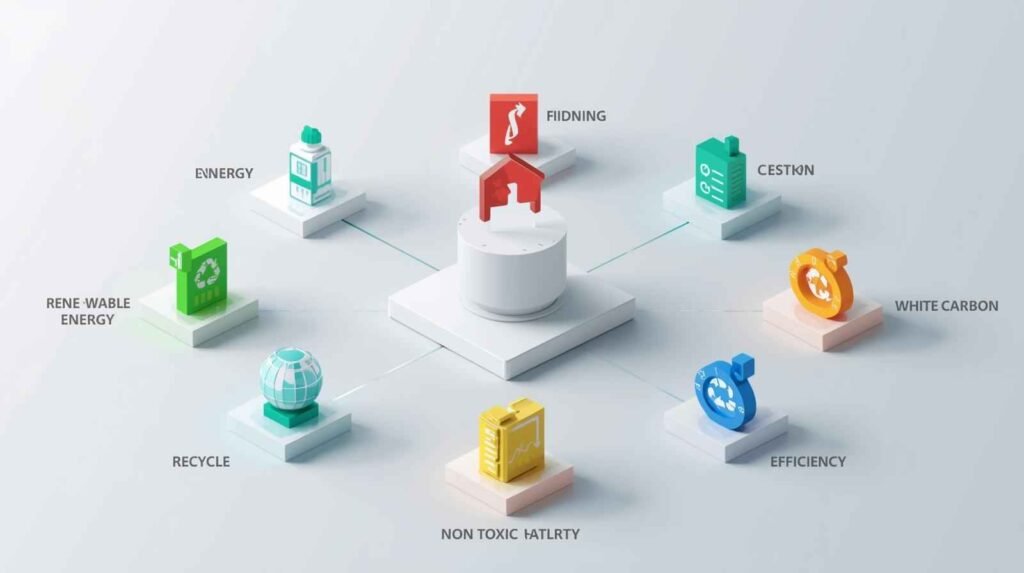
White Technology operates on several key principles that differentiate it from traditional technologies.
Sustainability
Any technological development must not compromise the ability of future generations to meet their needs.
Pollution Prevention
Instead of cleaning up pollution later, White Technology prevents pollution at the source.
Resource Conservation
Water, minerals, forests, and fossil fuels must be used:
- efficiently
- responsibly
- without wastage
Renewable Energy Use
Preference is given to:
- solar energy
- wind energy
- hydropower
- geothermal energy
- biomass energy
instead of non-renewable fossil fuels.
Waste Reduction and Recycling
White Technology encourages:
- reuse
- recycling
- up-cycling
- circular economy systems
to minimize landfill burden.
Non-Toxic Materials
Hazardous chemicals and plastics are replaced with:
- biodegradable
- non-toxic
- eco-friendly alternatives
Low Carbon Emissions
All processes aim to reduce:
- carbon dioxide
- methane
- nitrous oxide
which contribute to climate change.
Responsible Innovation
Before launching new technology, its long-term environmental impact must be assessed.
Applications of White Technology
White Technology is now being used in almost every field. Some of the most important application areas are explained below:
White Technology in Healthcare
Healthcare traditionally produces large amounts of chemical waste and plastic waste. White Technology helps improve this situation.
Examples include:
- biodegradable surgical tools
- non-toxic disinfectants
- eco-friendly hospital design
- renewable-energy powered hospitals
- safe medical waste disposal technologies
It reduces infections, protects the environment, and improves patient safety.
White Technology in Agriculture
\Modern agriculture has often relied on chemical fertilizers and pesticides. These damage soil, water, and human health.
White Technology promotes:
- organic farming
- bio-fertilizers
- biological pest control
- drip irrigation systems
- solar-powered farming equipment
- crop rotation and soil conservation
This increases production without harming nature.
White Technology in Manufacturing Industries
Industries have historically been the biggest source of:
- air pollution
- water pollution
- toxic waste
White Technology encourages industries to adopt:
- cleaner production techniques
- energy-efficient machinery
- eco-friendly packaging
- automation for waste control
- water recycling systems
- smoke-filtering systems
This improves worker safety and reduces environmental damage.
White Technology in the Energy Sector
Energy production is the backbone of development but also the main cause of pollution.
White Technology supports:
- solar power plants
- wind farms
- hydroelectric dams
- tidal energy
- bioenergy
It reduces dependence on oil, coal, and gas.
White Technology in Construction and Architecture
Traditional buildings consume massive energy.
White Technology promotes:
- green buildings
- energy-efficient architecture
- natural lighting and ventilation
- eco-friendly construction materials
- rooftop gardens
- rainwater harvesting
These structures save electricity and reduce heat emissions.
White Technology in Transportation
Transportation is a major contributor to global warming.
White Technology promotes:
- electric cars
- hybrid vehicles
- bicycles and e-bikes
- biofuel-based transport
- public transport systems
This helps reduce fuel consumption and air pollution.

Benefits of White Technology
White Technology provides advantages in multiple dimensions.
Environmental Benefits
- reduces carbon emissions
- protects forests and wildlife
- limits air and water pollution
- conserves natural resources
- slows global warming
- improves ecosystem health
Economic Benefits
Though initial investment is high, long-term returns are strong.
Benefits include:
- energy savings
- reduced raw material cost
- new green job creation
- increased efficiency
- enhanced industrial reputation
Green industries are also becoming major investment destinations.
Social and Human Health Benefits
White Technology improves:
- air quality
- water quality
- food safety
- public health
- quality of life
Communities living near factories benefit significantly.

Examples of White Technology in Real Life
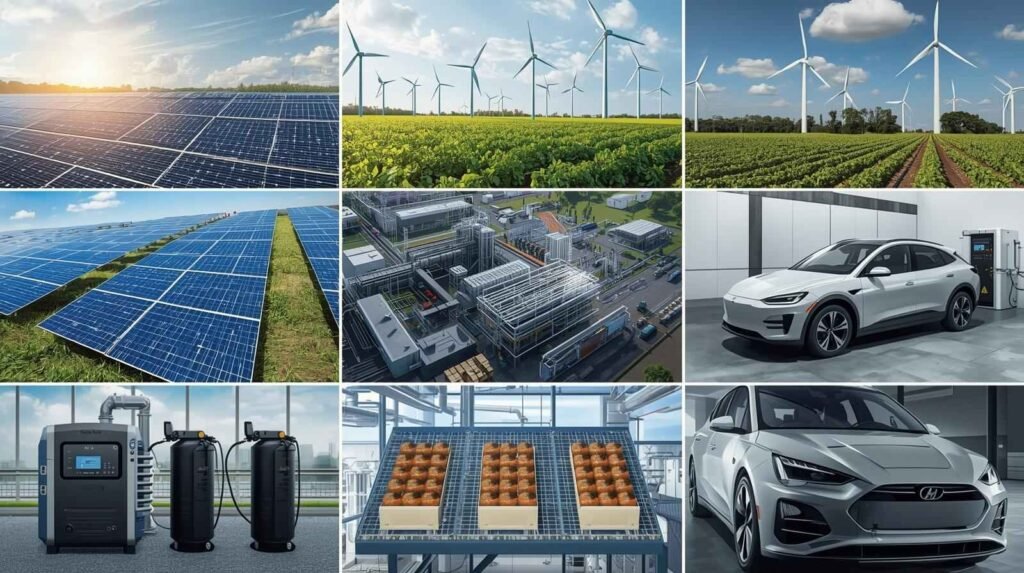
Some common real-world examples include:
- solar panels on rooftops
- wind turbines across landscapes
- hydroelectric dams
- electric and hybrid cars
- biodegradable plastics
- water purification plants
- eco-friendly cosmetics
- LED lighting systems
- automated recycling units
- smart homes with energy monitoring
These examples prove that White Technology is not theoretical , it is already a part of our daily lives.
Challenges in Adopting White Technology
Despite its benefits, many obstacles exist.
High Initial Cost
- renewable systems are expensive initially
- research and development costs are high
- developing countries struggle financially
Lack of Awareness
- public education on sustainability is limited
- industries prefer quick profit
- misconceptions about green technology exist
Technological Limitations
- skilled manpower is required
- infrastructure is limited
- technology transfer is slow
Political and Policy Issues
- weak environmental laws
- lack of enforcement
- insufficient government incentives
To overcome these barriers, international cooperation and strong policymaking are essential.

Future Outlook and Growth Scope
The future of White Technology is extremely promising.
In coming decades:
- renewable energy will dominate power production
- electric vehicles will replace fossil-fuel cars
- biodegradable materials will replace plastic
- smart eco-cities will expand
- zero-waste industries will rise
Digital technologies such as:
- artificial intelligence
- internet of things
- big data
will further support White Technology by optimizing energy and resource use.
Career Opportunities for Students
White Technology opens fields such as:
- environmental engineering
- climate science
- renewable energy engineering
- green chemistry
- sustainable architecture
- environmental policy and law
Demand for experts in these sectors is rapidly increasing worldwide.

Key Takeaways for Businesses
Businesses adopting White Technology gain:
- positive brand image
- customer trust
- compliance with environmental laws
- long-term cost savings
- investor confidence
- competitive advantage
Green companies are considered future-ready organizations.

Frequently Asked Questions (FAQs)
Q1: What exactly is White Technology?
It is technology that protects the environment and conserves resources while improving human life.
Q2: Is White Technology and Green Technology the same?
Yes, in most cases both terms are used for eco-friendly, sustainable technologies.
Q3: Where is White Technology used?
It is used in energy, agriculture, construction, transport, industry, waste management, and healthcare.
Q4: Why is White Technology important today?
Because it helps fight climate change, pollution, and resource depletion.
Q5: Does White Technology cost more?
Initial cost is higher, but long-term savings and environmental benefits are greater.
Q6: Who benefits from White Technology?
Humans, animals, ecosystems, industries, and future generations , everyone benefits.

Conclusion
White Technology is not just a scientific concept; it is a responsible way of living and developing. It proves that progress and environmental protection can exist together. By adopting renewable energy, eco-friendly materials, clean production techniques, and sustainable lifestyles, humanity can correct the damage already done to the Earth.
The future of our planet depends on the choices we make today. If society continues with careless industrial development, natural resources will disappear. But if we embrace White Technology, we can create a world that is clean, green, healthy, and prosperous.
White Technology reminds us of a simple truth:
technology should serve humanity , without destroying nature.