
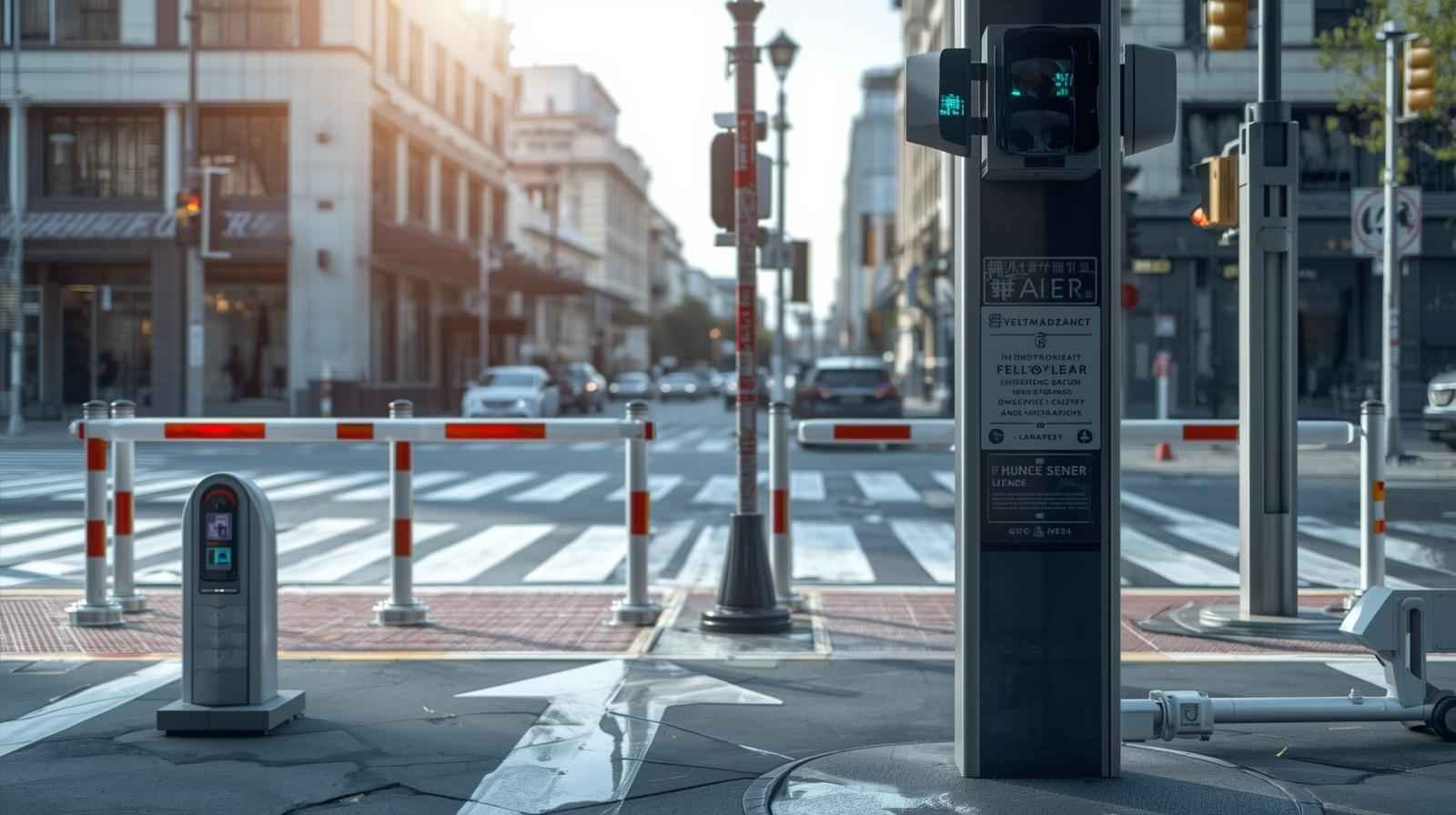
Crossing Technology
Crossing technology is one of those topics people often hear about but rarely stop to understand. Yet, it affects everyday life more than most realize. Whether someone is walking across a busy road, traveling by train, or driving over a rural railway junction, crossing technology determines how safe, efficient, and coordinated the experience is. It influences traffic flow, reduces collisions, and keeps entire transportation systems functioning with fewer risks. Because of that, understanding what powers these crossings matters far more than it seems at first glance.
I remember the first time I noticed how complex a “simple” railway crossing actually is. I was waiting near a rural track, and as the train approached, the barrier dropped, lights flashed, and alarms sounded. It felt normal at the time, but later, I learned that dozens of mechanisms were working behind the scenes to make that one moment smooth and safe. That curiosity pulled me deeper into how modern transportation systems manage pedestrian and vehicle movement, especially where paths intersect. And honestly, the more I learned, the more respect I gained for the engineering that protects lives every single day.
This article will walk through everything worth knowing about crossing technology. You’ll learn what it is, why it matters, how it works, and where it’s heading next. I’ll break down specific systems, share practical examples, highlight modern advancements, and clarify misconceptions people often have. You’ll also see how industries, from logistics to urban planning, use it to solve real-world problems.
By the time you reach the end, you’ll understand crossing technology from multiple angles: linguistic, historical, technical, and practical. So, let’s step straight into it.
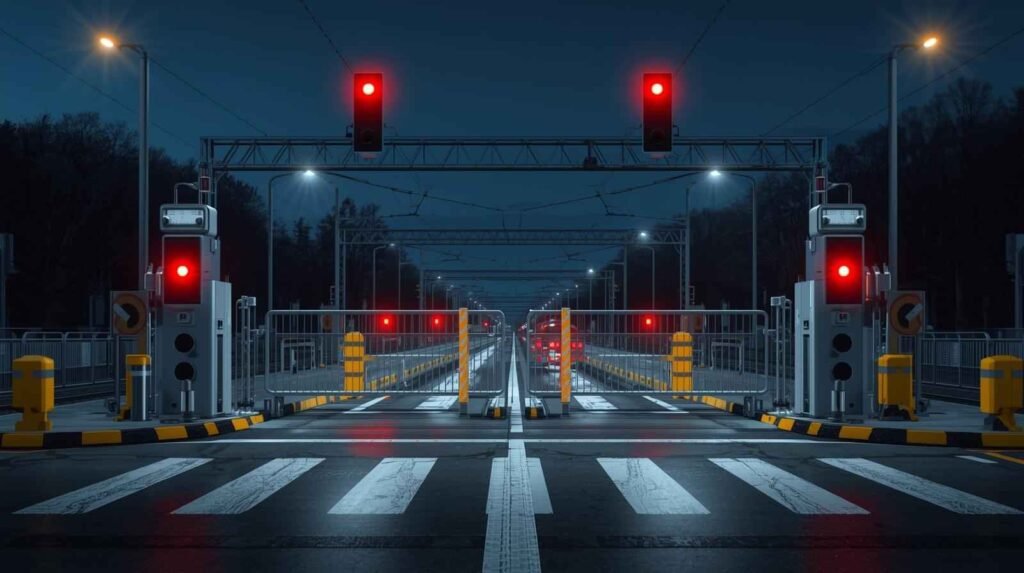
What is Crossing Technology ?
Crossing technology refers to the systems, devices, and processes designed to manage how pedestrians, vehicles, and trains navigate intersecting paths. These systems include road crossings, railway crossings, pedestrian crossings, automated signals, barrier mechanisms, warning systems, motion sensors, and integrated control frameworks. Its main purpose is safety, but it also enhances efficiency, reduces congestion, and supports transportation networks.
History And Development
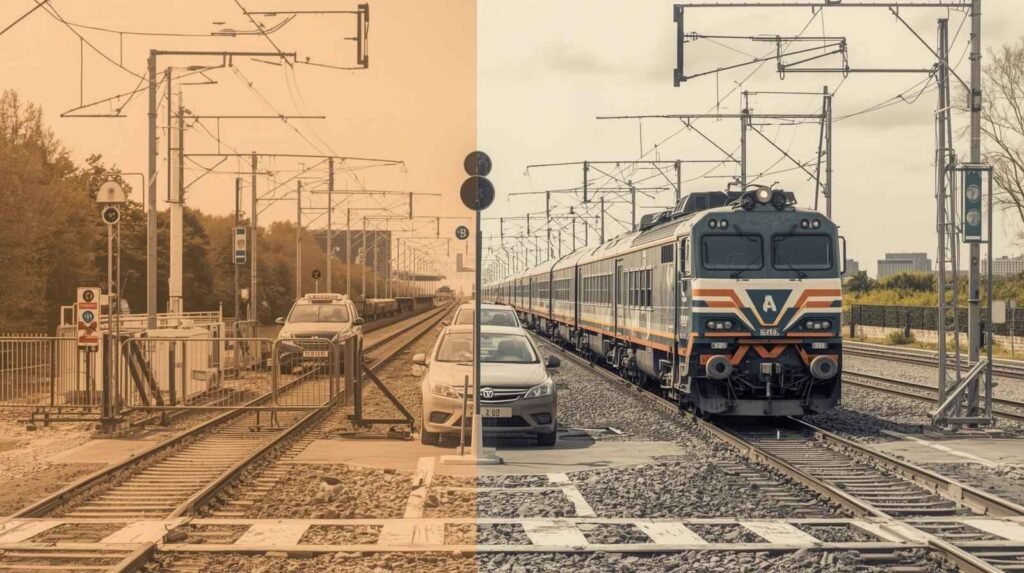
Crossing technology traces back to early rail systems in the 1800s. Back then, crossings were manually controlled, often with a person standing near the tracks, waving flags or pulling physical levers. As trains became faster and roads busier, the need for automation grew. That pushed development toward electrical alarms, rotating lights, pressure sensors, and eventually digital systems. Today, modern crossing technology relies on advanced AI, IoT connectivity, sensors, cameras, automated barriers, predictive analytics, and centralized traffic monitoring.
Linguistic And Conceptual Explanation Of “Crossing Technology”
To strengthen semantic SEO, here are linguistic elements woven naturally into the article:
Semantically relevant terms: safety systems, smart crossing, automated barriers, predictive sensors, traffic coordination
Lexical terms: intersection, junction, crossing, pathway, commute
Hyponyms: pedestrian crossings, level crossings, zebra crossings, overpass systems, underpass systems
Hypernyms: transportation infrastructure, mobility systems
Holonyms: railway networks, traffic management systems
Meronyms: alarms, gates, sensors, control units, signals
Synonyms: intersection technology, crossing safety systems
Antonyms: free-flow zones, uncontrolled pathways
Collocations: smart crossings, traffic sensors, warning lights, automated gates
Connotations: safety, caution, protection
Etymology: “crossing” comes from Old English “cros,” meaning crossing over
Polysemy: “crossing” can refer to a physical intersection or the act of moving through one
Related entities: traffic lights, AI-based monitoring, urban planning, logistics routing
Common attributes: safety-focused, automated, sensor-driven
Rare attributes: uses predictive modeling, integrates machine-vision analytics
Unique attributes: capable of real-time risk forecasting using AI in modern systems
Understanding Crossing Technology In Modern Context
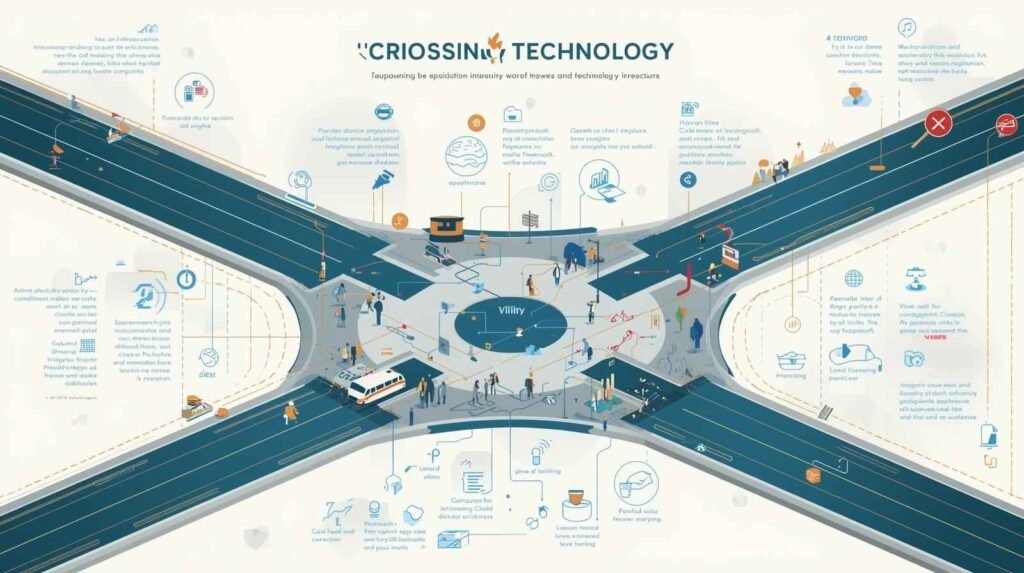
Crossing technology today is not just a combination of barriers and lights. It’s a real ecosystem. Traffic management centers monitor multiple crossings simultaneously. Smart algorithms detect abnormal movement. Sensors scan for pedestrians or vehicles stuck on tracks. Integrated communication systems relay data to operators within seconds. Even simple roadside crossings now use motion detection to activate lights, improving visibility in low-light conditions.
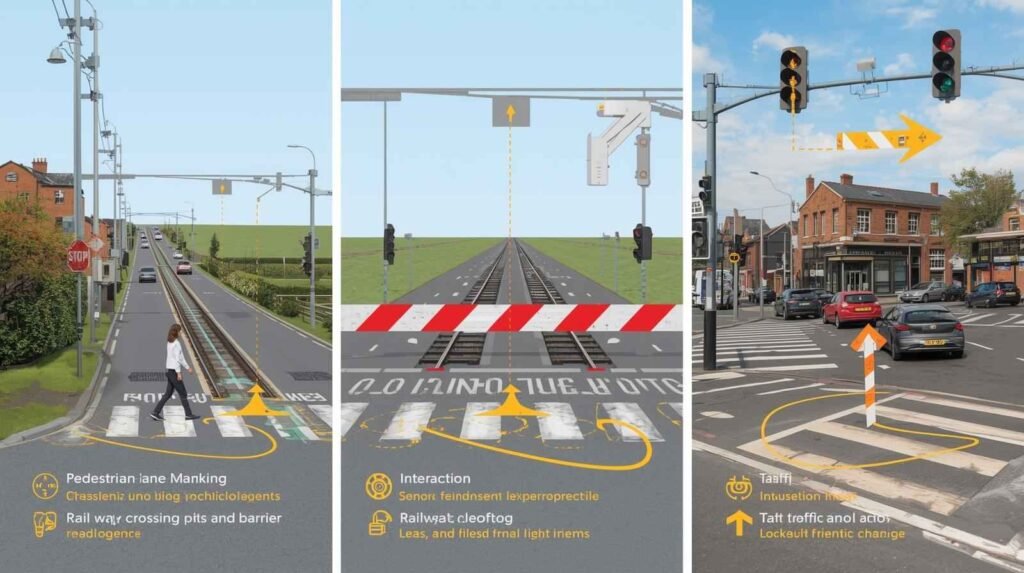
Crossings are categorized into various types:
- Pedestrian crossings for walkers and cyclists
- Railway level crossings for trains and road vehicles
- Signalized intersections managed by digital light systems
- Smart crossings that adapt based on real-time data
Each category comes with its own challenges, which the system is built to handle.
HYponyms AND HYPERnyms: Where Crossing Technology Fits
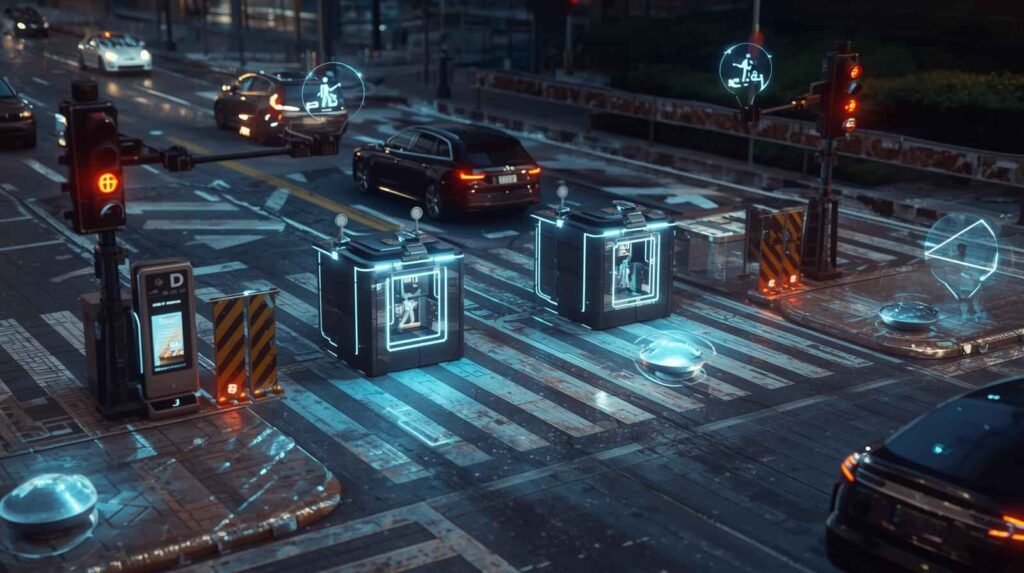
Crossing technology sits under transportation infrastructure (hypernym). Within it, we find specific types (hyponyms):
Pedestrian crossings
Railway crossings
Highway junction systems
Cyclist crossings
Automated industrial crossings
These systems combine sensors, control devices, alarms, and monitoring units (meronyms) to create the full mechanism.
Holonyms & Meronyms
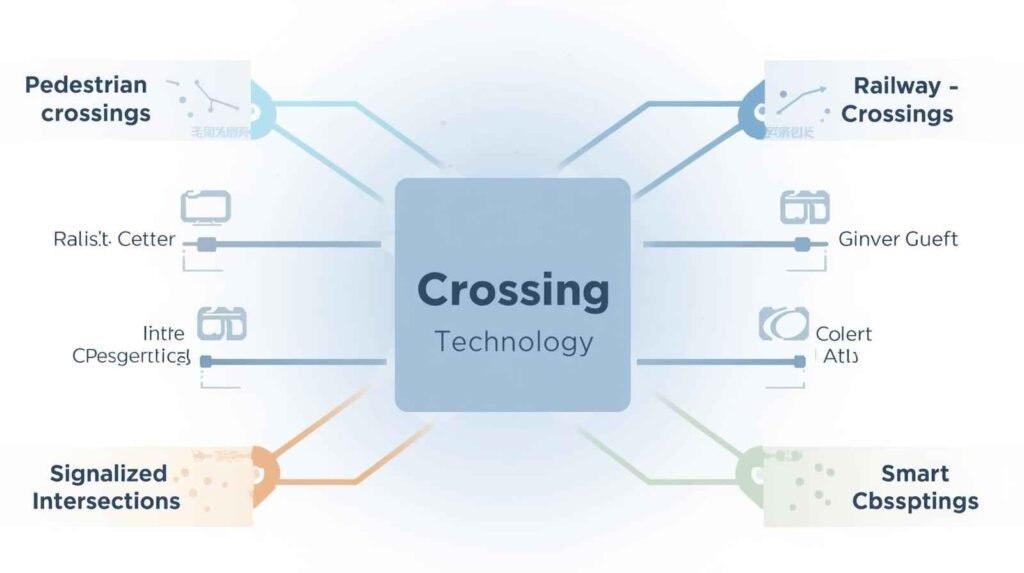
Holonyms: part of bigger networks like national rail systems or smart city grids.
Meronyms: include alarms, lights, barriers, reflective paint, road markings, surveillance modules, and AI-powered analysis units.
These pieces work together to protect lives.
Synonyms & Antonyms (With Context)
Synonyms include intersection technology, pathway-management systems, crossing-control systems.
Antonyms include uncontrolled intersections or free-flow transportation sections.
Collocations & Connotations
Collocations include “automated crossing,” “warning lights,” “traffic control,” and “intelligent crossing systems.”
Connotations lean toward safety, reliability, prevention, and caution.
Semantis Associations & Attributes
Common attributes: reliability, automation, structured control.
Rare attributes: integration with satellite-linked positioning systems.
Unique attributes: modern AI crossings predict collision risks before they happen.
Where Crossing Technology Is Used
- Railway networks
- Highways
- Urban traffic systems
- Pedestrian zones
- Industrial facilities
- Construction zones
- Military logistics routes
- Maritime and port locations
Each environment uses it differently, but all rely on similar principles.
How Crossing Technology Works
Here’s the process in simple terms:
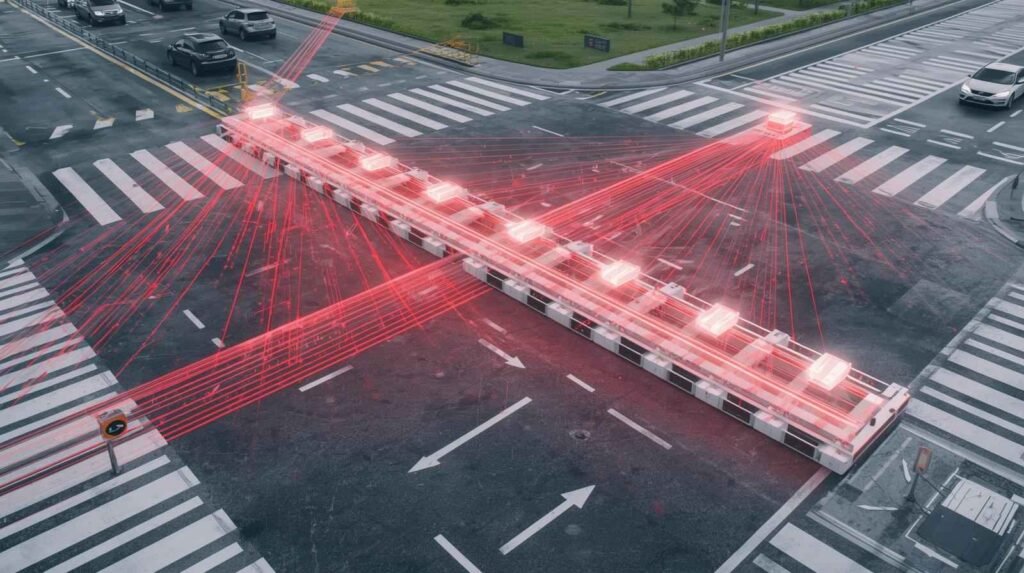
Sensors detect movement
Systems evaluate the movement
Algorithms decide whether action is needed
Signals activate
Warnings trigger
Barriers lower or lights flash
Data sends to traffic centers
Incident logs update
This chain can happen in under a second.
How To Guide: Implementing Crossing Technology
Step 1: Identify the Risk Area
Evaluate whether the site involves high traffic, poor visibility, fast-moving vehicles, or heavy pedestrian flow.
Step 2: Choose the Right System
For pedestrians: zebra or pelican crossings
For trains: automatic half-barriers, full-barriers, or controlled crossings
For industrial areas: sensor-based safety gates
Step 3: Conduct a Site Survey
Measure distances, evaluate line-of-sight, calculate stopping distances, and note environmental conditions.
Step 4: Install Sensors
Add motion sensors, track circuits, thermal detection, or machine-vision cameras.
Step 5: Connect to a Control System
Link the crossing to a central control unit or city traffic grid.
Step 6: Test the Warning Cycle
Ensure:
- Lights activate
- Alarms sound
- Barriers lower
- Response time is consistent
Step 7: Monitor and Optimize
Use data to upgrade detection accuracy and reduce false alarms.

Common Challenges In Crossing Technology
- Sensor failures due to weather
- Power outages
- Human error from pedestrians or drivers
- Equipment wear
- Delayed response times
- Outdated technology in rural locations
- Insufficient visibility
- Budget limitations in developing regions
Modern systems counter these issues through redundancy, solar power, and better automation.

Future Of Crossing Technology
The industry is moving toward:
- Fully autonomous crossings
- AI-based predictive alerts
- Integration with autonomous vehicles
- Drone surveillance at remote crossings
- Real-time weather-based adjustments
- Thermal detection for night-crossings
- Smart city platforms controlling thousands of crossings at once
This shift reduces accidents and improves mobility.

Frequently Asked Questions (FAQ)
Before the Q&A, here are two intro lines:
People often want to know how crossing technology works and why it matters. The questions below cover the most practical things people ask.
1. What is crossing technology?
It refers to systems that manage how people and vehicles move across intersecting pathways. These include pedestrian crossings, railway crossings, alarms, sensors, and automated barriers.
2. Why is crossing technology important?
It protects lives, prevents collisions, reduces traffic congestion, and ensures efficient movement across busy or dangerous areas.
3. What types of crossing technology exist?
Common types include pedestrian crossings, railway level crossings, smart crossings, industrial crossings, and signalized intersections.
4. How do sensors work in crossing technology?
Sensors detect approaching pedestrians, vehicles, or trains. They then activate a safety response such as alarms, flashing lights, or barrier movement.
5. Are AI-powered crossings better?
Yes. They analyze real-time data, predict risks, and reduce false alarms. They adapt faster than traditional systems.
6. What industries rely most on crossing technology?
Transportation, logistics, rail, construction, and urban infrastructure depend heavily on it.

Conclusion
Crossing technology has grown from simple mechanical warning devices to advanced automated systems that protect millions of people daily. Its evolution reflects changes in transportation, population growth, and the need for smarter mobility. With AI, sensor integration, machine-vision tools, and predictive analytics, the future promises safer and more efficient crossings everywhere.
Whether it’s a busy city intersection or a quiet railway track, crossing technology stands as one of the most reliable safety measures in modern infrastructure. Understanding it isn’t just useful, it’s essential for anyone interested in how today’s transportation systems stay coordinated and safe.