

Advanced Skin Rejuvenation Technologies
If you’ve ever looked in the mirror and noticed your skin doesn’t quite have the same glow it used to, you’re not alone. Aging, sun exposure, stress, and lifestyle choices all leave their marks. For years, creams and serums were our only tools. But in 2025, things look very different. Skin rejuvenation is no longer about surface-level fixes , it’s a fusion of advanced science, precision technology, and personalized care.
I’ve personally watched this transformation happen in real time. What used to be simple facials and chemical peels has evolved into laser therapies, radiofrequency devices, and even AI-powered skin analysis systems. It’s fascinating to see how innovation is changing the way people think about aging , it’s no longer about reversing time, but about restoring balance, vitality, and confidence.
In this article, we’ll break down exactly how these advanced technologies work, the science behind them, and why they’re changing the global skincare industry. Whether you’re a professional in aesthetics or someone exploring non-invasive options for youthful skin, you’ll discover insights that help you understand both the “how” and the “why.”
So, let’s dive into the future of skincare , where science meets beauty and technology makes rejuvenation smarter, safer, and more effective than ever before.
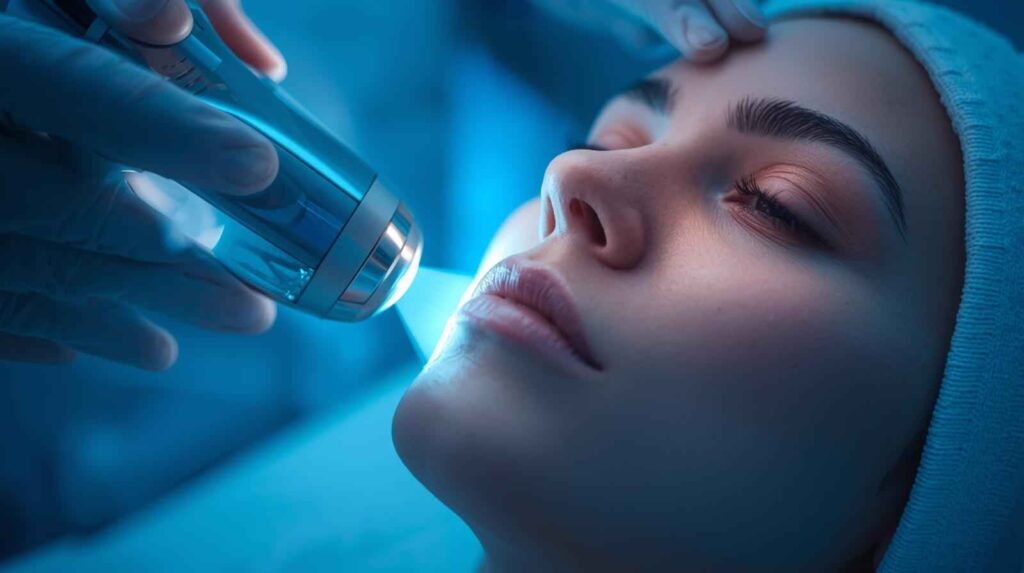
What Is Advanced Skin Rejuvenation?
At its core, skin rejuvenation is the process of restoring the skin’s health, tone, and texture. “Advanced” skin rejuvenation technologies go far beyond traditional cosmetic treatments. They leverage cutting-edge innovations , like laser precision, nanotechnology, microneedling robotics, and radiofrequency stimulation , to activate the skin’s natural healing process.
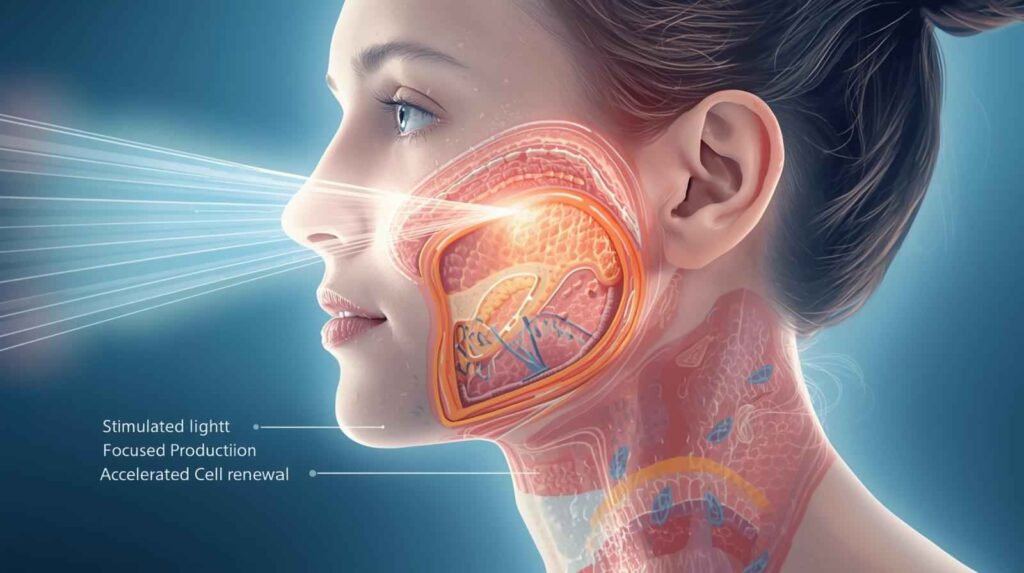
Unlike creams or surface treatments, these technologies target the deeper dermal layers where collagen and elastin production occurs. The result is genuine cellular renewal rather than superficial enhancement. Treatments can tighten skin, fade pigmentation, smooth wrinkles, reduce scars, and improve overall radiance.
In simple terms, it’s about using science to help your body help itself , promoting regeneration from within rather than forcing temporary fixes from the outside.
A Brief History and Evolution
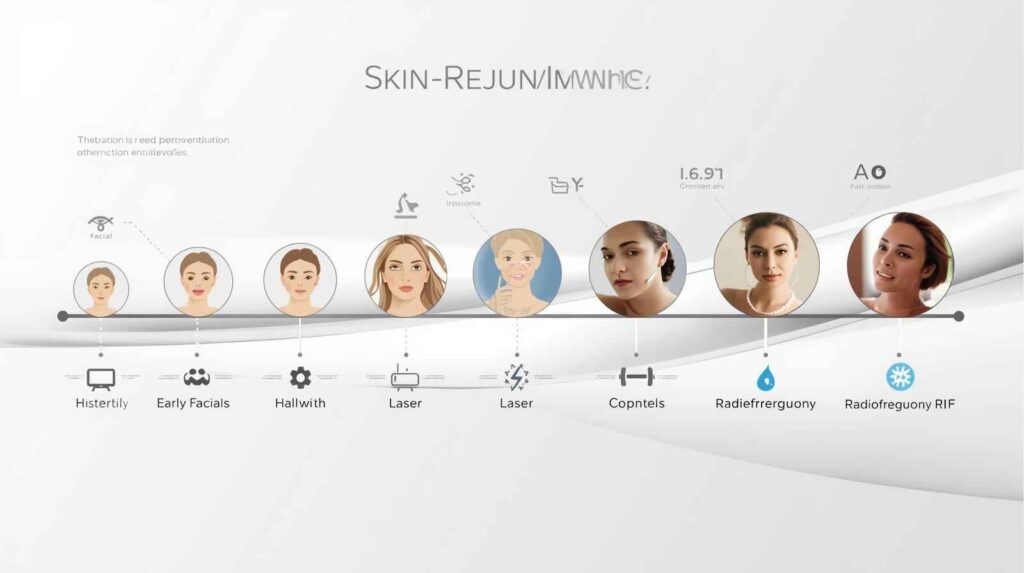
Skin rejuvenation has come a long way. In the early 2000s, the focus was mostly on chemical exfoliants and dermabrasion. These methods worked by removing the outer layer of skin, triggering regeneration. But they came with drawbacks , downtime, redness, and irritation.
By the 2010s, laser technologies like Fraxel and CO₂ resurfacing began offering more precision. Around the same time, radiofrequency (RF) systems were introduced to tighten skin by stimulating collagen through controlled heat.
Fast-forward to 2025, and we now have AI-driven diagnostic tools, robotic-assisted microneedling, nanofractional lasers, and plasma energy systems that can analyze, target, and rejuvenate skin with extraordinary precision. The evolution is remarkable , we’ve shifted from one-size-fits-all treatments to completely personalized rejuvenation protocols.
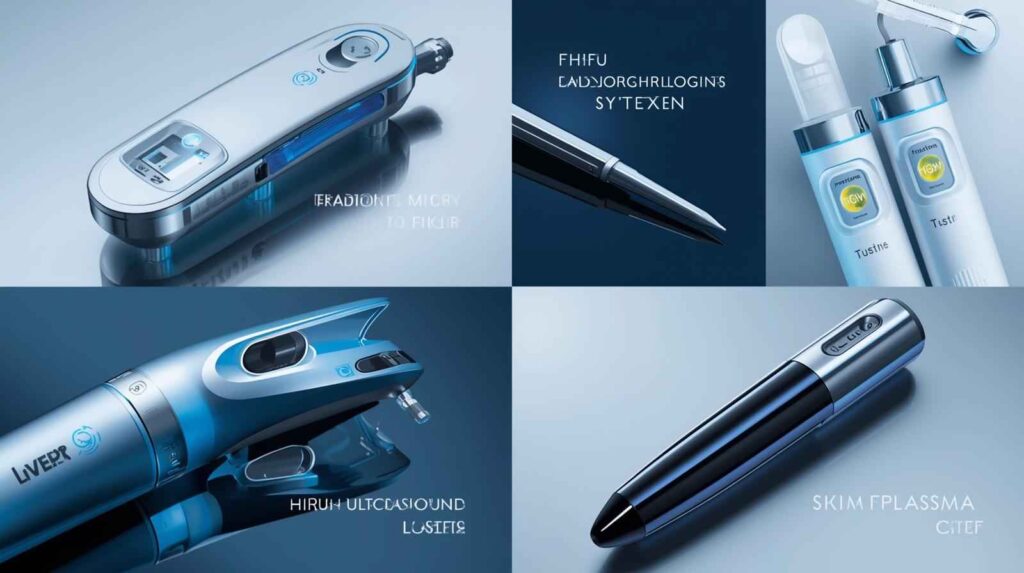
Core Technologies in Skin Rejuvenation
1. Fractional Laser Therapy
Fractional lasers work by creating micro-injuries in the skin’s surface using laser beams that penetrate deep into the dermis. This controlled damage stimulates collagen production, leading to smoother, tighter skin.
Modern devices like Fraxel Dual and LaseMD Ultra can now target specific depths, allowing customized treatments for fine lines, pigmentation, and acne scars. Patients love them because downtime is minimal, and results develop gradually over weeks.
2. Radiofrequency (RF) Microneedling
This technique combines two powerhouse technologies , microneedling and RF energy. Tiny needles puncture the skin while delivering radiofrequency waves deep into the tissue. This not only triggers collagen but also tightens the underlying structure.
Brands like Morpheus8 and Secret RF have made this technology mainstream. I’ve seen firsthand how it can rejuvenate even stubborn areas like the neck and jawline, offering results that rival surgical lifts , minus the scalpel.
3. Intense Pulsed Light (IPL)
IPL devices emit broad-spectrum light that targets pigmentation, sun damage, and vascular lesions. It’s often referred to as a “photofacial.” Unlike lasers, which work on one wavelength, IPL covers a range, allowing it to treat multiple issues in one go.
It’s especially effective for improving skin tone and clarity. Many clinics now use AI-based IPL systems that automatically adjust wavelength intensity based on real-time skin readings.
4. Ultrasound Therapy (HIFU)
High-Intensity Focused Ultrasound (HIFU) uses sound waves to heat deep layers of skin, stimulating collagen and causing a natural lifting effect. It’s non-invasive, requires no downtime, and can last up to a year.
Technologies like Ultherapy and Sofwave have set the gold standard for non-surgical facelifts. They’re great for clients who want noticeable results without needles or recovery periods.
5. Plasma Energy Devices
Plasma-based systems use ionized gas to create a controlled micro-injury on the skin’s surface. This technique resurfaces the skin, reduces wrinkles, and treats pigmentation issues. It’s newer compared to lasers and RF, but early data shows powerful rejuvenation benefits with shorter recovery time.
The Science Behind It All
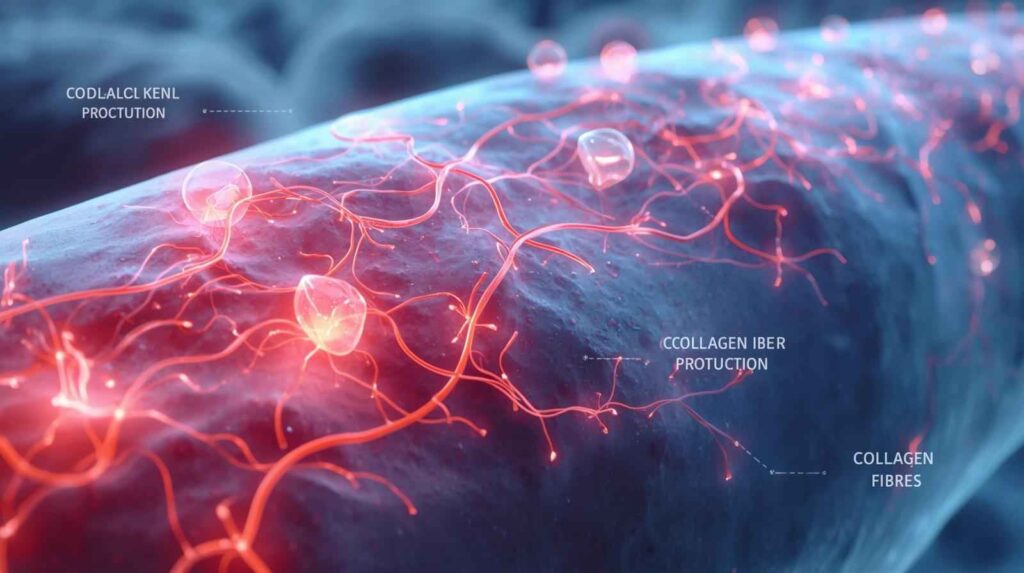
All advanced skin rejuvenation methods share a common goal , stimulate the body’s natural repair mechanisms. Whether it’s through heat, light, plasma, or micro-trauma, the idea is to wake up dormant fibroblasts (the cells that produce collagen and elastin).
When these cells are activated, they rebuild the skin matrix, improving firmness and elasticity. Over time, this leads to smoother, stronger, and more youthful-looking skin.
The best part? Most treatments are non-invasive or minimally invasive, meaning the skin is never damaged beyond repair. Instead, it’s coaxed into regenerating itself , a biological hack for graceful aging.
Benefits of Advanced Skin Rejuvenation Technologies
- Non-Invasive: No needles or surgery required.
- Quick Recovery: Minimal downtime compared to older treatments.
- Customizable: AI and diagnostic tools personalize each session.
- Long-Term Results: Collagen remodeling continues for months post-treatment.
- Multi-Benefit: Addresses wrinkles, pigmentation, scars, and texture simultaneously.
- Safe and FDA-Approved: Backed by years of research and clinical testing.
Common Myths and Misconceptions
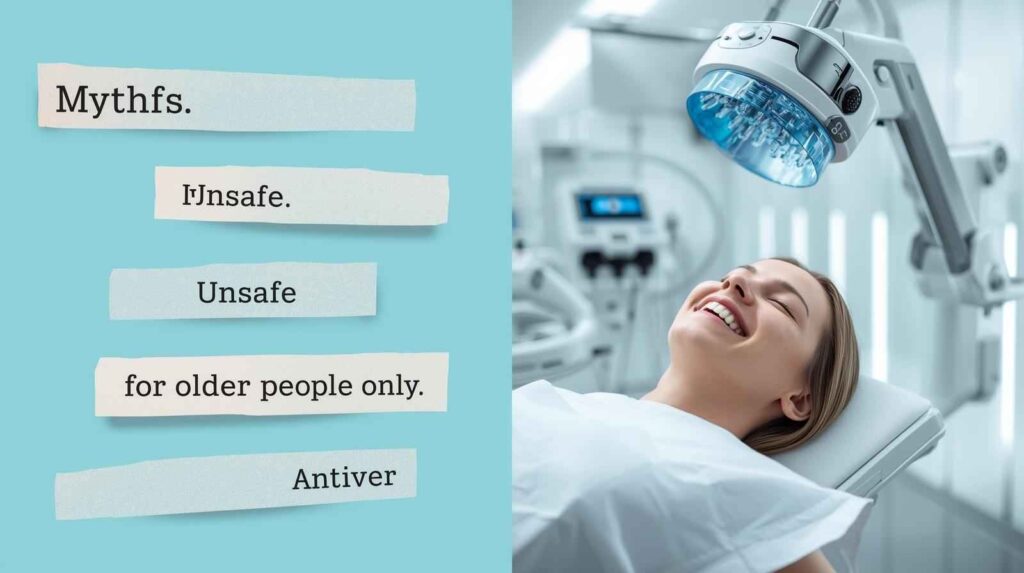
Myth 1: It’s painful.
Most modern systems use cooling mechanisms and numbing gels, making the experience comfortable. Discomfort is minimal.
Myth 2: Only older people need rejuvenation.
Skin health starts early. Many clients in their 20s now use mild RF or laser treatments as preventive maintenance.
Myth 3: Results are instant.
You’ll see initial glow right away, but full collagen remodeling takes 4–12 weeks. The beauty of it is that results look natural and build gradually.
Myth 4: All technologies are the same.
Each works differently , some target surface issues, others go deep. The right choice depends on your skin type, goals, and sensitivity level.
How to Choose the Right Technology for You
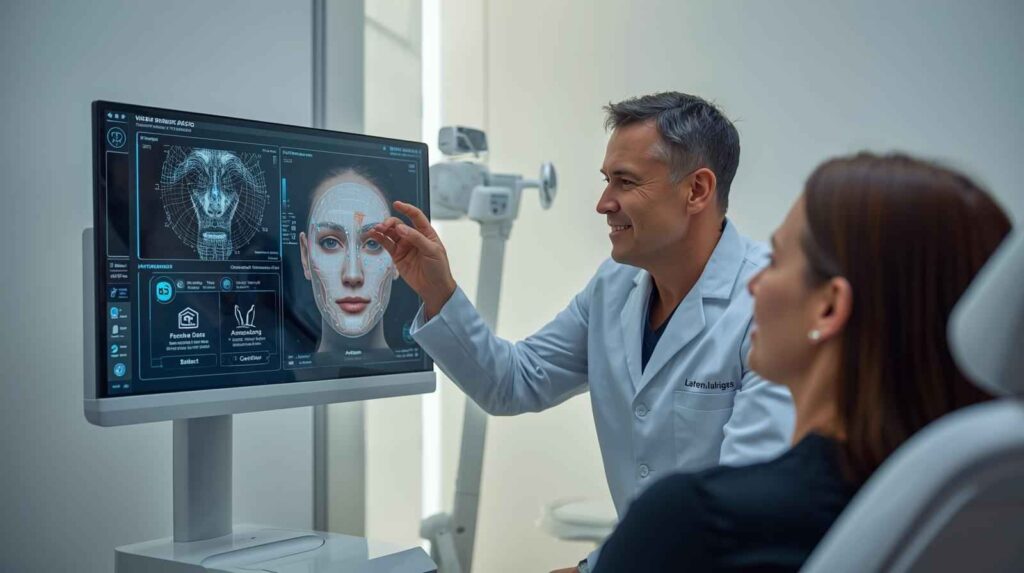
The best approach starts with professional consultation. Clinics today use AI skin scanners that assess texture, pore size, pigmentation, and elasticity before recommending treatment.
- For fine lines and texture issues, RF microneedling or fractional lasers are excellent.
- For pigmentation and sun damage, IPL or plasma energy systems shine.
- For sagging skin, HIFU is the go-to.
- For all-around rejuvenation, hybrid treatments combine multiple technologies for synergistic effects.
Always check your provider’s certification and equipment quality advanced tools in untrained hands can cause damage.
The Role of AI and Smart Diagnostics
AI is revolutionizing skin rejuvenation. Smart diagnostic systems can scan your skin in seconds, calculate hydration levels, and even predict how your skin will respond to certain treatments.
Devices like VISIA and OBSERV 520x offer 3D imaging, revealing underlying issues invisible to the naked eye. This ensures the chosen treatment targets the root cause, not just the symptom.
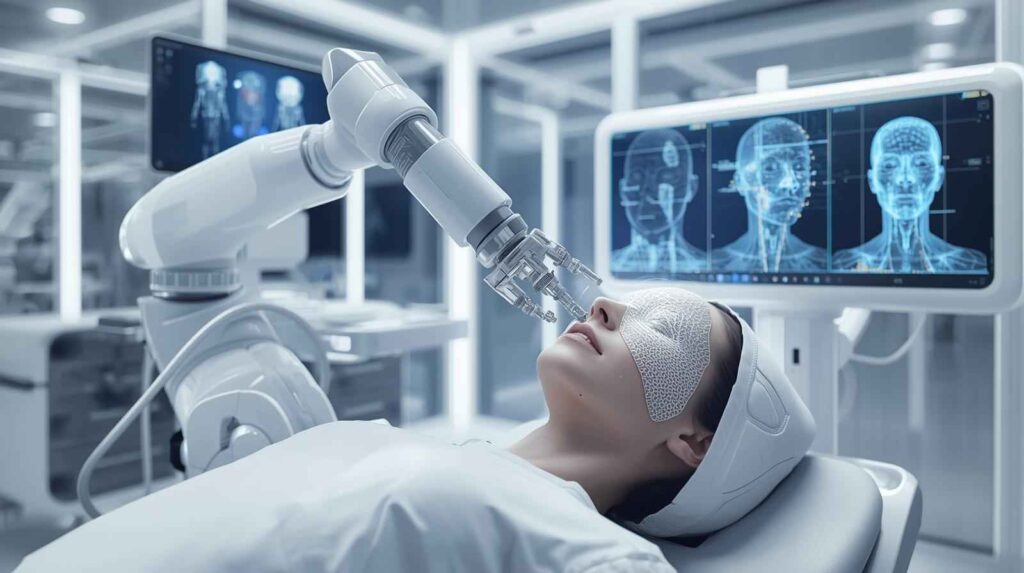
In many clinics, AI now guides real-time adjustments during treatments . optimizing energy levels, exposure duration, and cooling cycles. The result: safer, more precise rejuvenation tailored to each individual.
The Future of Skin Rejuvenation
Looking ahead, we’re stepping into an era where skincare becomes fully bio-intelligent. Imagine treatments that not only restore your skin but communicate with your cells to enhance regeneration.
Upcoming innovations include:
- Nanorobotic delivery systems for targeted collagen activation.
- Smart peptide serums that sync with device frequencies.
- Home-use laser patches powered by microcurrents.
- Cryo-electronic facials combining temperature and electric pulse therapies.
In short, the future isn’t just about looking younger , it’s about optimizing how your skin functions at every level.
Real-World Impact
Clinics adopting these technologies have seen a dramatic rise in patient satisfaction. Clients appreciate not only the visible transformation but the confidence boost that comes with it.
One aesthetic practitioner I know shared that since introducing AI-guided RF microneedling, her repeat clientele doubled. Patients loved the personalized approach and consistent results. This isn’t just technology for vanity , it’s technology for well-being.
Frequently Asked Questions
Q1: How long does each treatment take?
Most sessions last between 30 and 90 minutes, depending on the device and area treated.
Q2: How soon will I see results?
Initial glow appears within days, with full results visible after 6–12 weeks as collagen production increases.
Q3: Are the results permanent?
Results last 1–2 years on average. Maintenance sessions every 6–12 months keep the skin in peak condition.
Q4: Is it safe for all skin types?
Modern devices have adjustable settings for different tones and sensitivities. Always ensure your provider uses FDA-cleared systems suitable for your skin.
Q5: What’s the difference between laser and RF treatments?
Lasers target the skin’s surface for pigmentation and texture, while RF penetrates deeper to tighten and lift. Many clinics combine both for complete rejuvenation.
Q6: Can men benefit from these treatments?
Absolutely. More men are turning to RF and HIFU to reduce sagging and refresh their appearance without downtime.
Tips Before and After Treatment
Before:
- Avoid sun exposure and exfoliating products.
- Stay hydrated to help your skin respond well.
- Remove makeup and inform your provider about any recent peels or retinol use.
After:
- Apply a soothing serum or aloe-based moisturizer.
- Use SPF 50 daily to protect newly treated skin.
- Avoid saunas, tanning, or harsh skincare for 48 hours.
- Follow your provider’s post-care instructions for best results.
Challenges and Ethical Considerations
While these technologies are impressive, they’re not miracle machines. Results depend on lifestyle, genetics, and consistency. Overuse or unqualified application can cause burns or uneven pigmentation.
Clinics must ensure ethical marketing , focusing on realistic expectations rather than false “anti-aging forever” promises. The best practitioners view these tools as enhancers of natural beauty, not replacements for it.

Lifestyle Synergy
No device can outwork poor lifestyle habits. To make results last:
- Maintain a balanced diet rich in antioxidants.
- Sleep 7–8 hours daily for optimal skin repair.
- Exercise regularly to boost circulation.
- Stay hydrated and limit alcohol.
- Manage stress , cortisol wreaks havoc on collagen.
Technology gives you the tools, but daily habits sustain the transformation.

Conclusion
Advanced skin rejuvenation technologies are redefining how we care for our skin , blending science, data, and artistry to deliver real, lasting change. From fractional lasers to AI-guided RF systems, each innovation brings us closer to personalized perfection.
What excites me most isn’t just the promise of smoother skin, but the idea that we can now age on our own terms. These technologies empower people to look like the best version of themselves , not younger, but healthier, more confident, and radiant.
In my opinion, that’s the real revolution. Not chasing youth, but redefining beauty through knowledge, balance, and innovation. The future of skin rejuvenation is already here , and it’s shining brighter than ever.