

Systems and Technology Research
Systems and technology research forms the backbone of modern innovation. Every digital service, industrial operation, and intelligent platform relies not only on advanced technology but on how well that technology operates within a broader system. Software, hardware, people, data, and processes must work together in a coordinated way. When they do not, even the most powerful technologies can fail.
In many organizations, technology adoption happens quickly. New tools are purchased, platforms are deployed, and automation is introduced. Yet problems soon appear. Performance slows, errors increase, and systems become harder to manage. These issues rarely stem from weak technology. They arise because the system surrounding that technology was never properly studied.
Systems and technology research exists to address this gap. It focuses on understanding how technologies interact within complex environments and how systems behave over time. Instead of reacting to failures, this research helps prevent them. Instead of optimizing isolated components, it improves the entire system.
This article explores systems and technology research in depth. It explains what it is, why it matters, how it is conducted, where it is applied, and what the future holds. The goal is to provide a complete, practical understanding of a field that quietly shapes almost every modern technological success.

What Is Systems and Technology Research?
Systems and technology research is the study of how technological components operate together within complex systems. It examines relationships, dependencies, workflows, and long-term behavior rather than focusing on individual tools or devices.
A system may include software applications, hardware infrastructure, data pipelines, human operators, and external integrations. Systems research looks at how all these elements interact under real-world conditions.
This type of research draws knowledge from multiple disciplines, including systems engineering, computer science, data analytics, operations research, and human-computer interaction. Its purpose is to design systems that are reliable, scalable, efficient, and resilient to change.
A Practical Definition
In practical terms, systems and technology research focuses on understanding how a system behaves as a whole. It seeks to answer questions such as:
How do different technologies depend on one another?
What happens when demand increases suddenly?
How does a small failure affect the rest of the system?
Where are the bottlenecks and weak points?
How can performance improve without increasing risk?
By answering these questions, organizations gain the ability to design systems that work consistently in real-world environments.
Difference Between Technology Research and Systems Research
Traditional technology research usually concentrates on improving individual components. A software product may be optimized for speed, or hardware may be upgraded for efficiency.
Systems research takes a broader view. It evaluates how a new tool affects existing workflows, how it interacts with other technologies, and how it influences human behavior. A system can fail even if every individual component functions correctly. Systems research exists to identify those hidden risks.

Why Systems and Technology Research Is Important Today
The importance of systems and technology research has grown significantly in recent years. Modern systems are no longer simple or isolated. They are interconnected, distributed, and constantly evolving.
Increasing Complexity in Modern Systems
Today’s technological systems often include cloud infrastructure, distributed databases, automated decision engines, third-party integrations, and human oversight. Each layer introduces new dependencies.
As complexity increases, predicting system behavior becomes harder. Small changes can produce unexpected outcomes. Systems research helps organizations understand this complexity rather than being overwhelmed by it.
Preventing Cascading Failures
Many large-scale failures occur because one small issue triggers a chain reaction. A network delay can disrupt data flow. A data issue can affect analytics. Poor analytics can lead to bad decisions.
Systems and technology research focuses on preventing these cascading failures by strengthening connections and monitoring interactions.
Supporting Sustainable Innovation
Innovation is essential, but uncontrolled innovation can destabilize systems. Systems research ensures that new technologies integrate smoothly, remain stable under growth, and support long-term goals instead of creating short-term disruption.

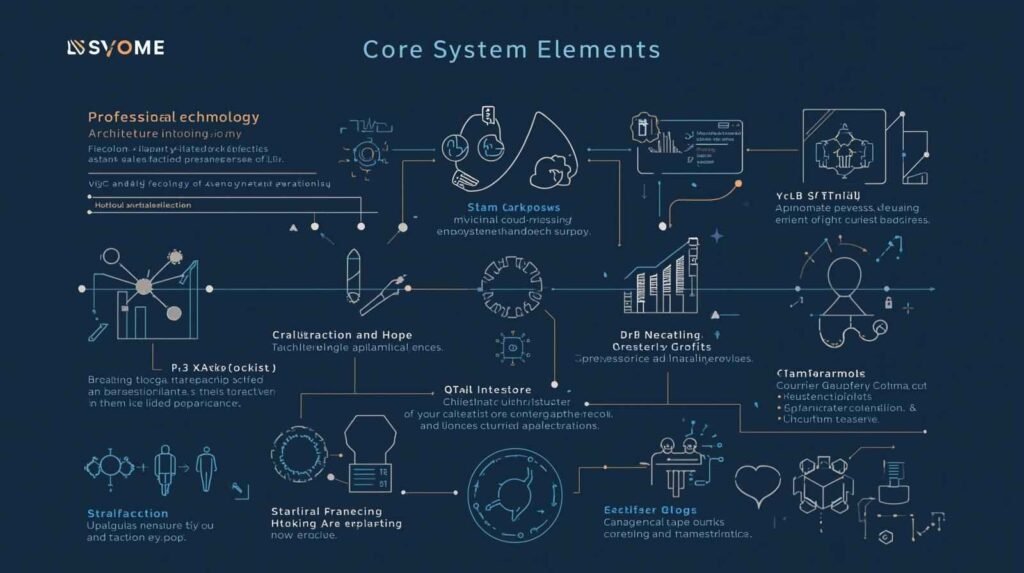
Core Components of Systems and Technology Research
Every system, regardless of industry, contains core components that researchers study and optimize.
System Architecture
System architecture defines how components are organized and connected. It determines how data flows, how failures are contained, and how scalable the system can become.
Poor architectural decisions often lead to performance issues, security vulnerabilities, and high maintenance costs. Systems research evaluates architectural options carefully before implementation.
Data Flow and Information Management
Data is the lifeblood of modern systems. Systems and technology research analyzes how data moves across components, how it is stored, and how it is protected.
Efficient data flow reduces latency, prevents data loss, and supports accurate decision-making. Poor data design can cripple even the most advanced systems.
Human Interaction With Systems
Humans remain part of nearly every system. They configure tools, interpret data, and make decisions based on system outputs.
Systems research studies usability, interface design, training requirements, and error prevention. A system that ignores human behavior is likely to fail regardless of technical quality.
Control Systems and Feedback Loops
Feedback mechanisms allow systems to monitor performance and adjust automatically. These mechanisms are essential for stability, especially in dynamic environments.
Systems research focuses on designing feedback loops that detect issues early and respond appropriately before problems escalate.
Research Methods Used in Systems and Technology Research
Systems and technology research uses a combination of analytical, experimental, and data-driven methods.
Modeling and Simulation
Modeling and simulation allow researchers to test system behavior without real-world risk. These tools make it possible to explore “what-if” scenarios, such as increased demand or component failure.
Simulation is particularly valuable in large, complex, or safety-critical systems.
Empirical Research and Data Analysis
Real-world data provides insight into how systems actually perform. Empirical research helps validate theoretical models and identify inefficiencies that may not be obvious during design.
Data-driven analysis supports evidence-based decision-making.
Interdisciplinary Research
Systems research often spans multiple fields. Engineers, data scientists, operations managers, and behavioral researchers collaborate to gain a complete understanding of system behavior.
This interdisciplinary approach strengthens research outcomes.

Applications of Systems and Technology Research
Systems and technology research has practical applications across nearly every industry.
Healthcare Systems
In healthcare, systems research improves patient flow, electronic health records, diagnostic platforms, and emergency response coordination. Better system design leads to improved patient outcomes and more efficient use of resources.
Information Technology and Software Systems
Large-scale software platforms, cloud infrastructure, and cybersecurity systems rely on system-level research to maintain reliability and security under heavy usage.
Transportation and Logistics
Traffic management systems, supply chains, and fleet management platforms depend on optimized system design to reduce delays, costs, and disruptions.
Manufacturing and Industrial Automation
Automation systems, quality control processes, and predictive maintenance programs are built using systems research to ensure consistency and efficiency.
Energy and Utilities
Power grids and renewable energy systems require precise coordination. Systems research helps maintain stability while managing fluctuating demand and integrating new energy sources.

Benefits of Systems and Technology Research
Organizations that invest in systems research gain measurable long-term advantages.
Reduced System Failures
Early identification of weak points prevents breakdowns that could disrupt operations or cause financial loss.
Improved Efficiency and Cost Control
Optimized systems reduce waste, downtime, and unnecessary complexity.
Scalability and Adaptability
Well-designed systems grow smoothly and adapt to change without constant restructuring.
Better User and Stakeholder Experience
Reliable systems improve trust and satisfaction among users, customers, and partners.

Challenges in Systems and Technology Research
Despite its value, systems research presents real challenges.
High System Complexity
As systems grow, interactions increase, making analysis more difficult and time-consuming.
Data Quality and Availability
Incomplete or inaccurate data can weaken research outcomes and lead to flawed decisions.
Rapid Technological Change
Technologies evolve faster than many research cycles, requiring continuous adaptation.
Ethical and Social Considerations
Systems research must consider its broader impact on society.
Data Privacy and Security
Integrated systems often handle sensitive information that must be protected against misuse and breaches.
Bias and Fairness
Poor system design can reinforce bias, particularly in automated decision-making systems.
Accountability in Automated Systems
As systems become more autonomous, responsibility must remain clearly defined.
Future Trends in Systems and Technology Research
The field continues to evolve alongside technological progress.
Artificial Intelligence in Systems
AI is increasingly used for real-time system monitoring and optimization.
Digital Twins
Virtual replicas allow continuous testing and improvement without disrupting real operations.
Self-Healing Systems
Future systems will automatically detect and correct issues with minimal human involvement.
Sustainability-Focused Research
Environmental impact and energy efficiency are becoming central research priorities.

How Organizations Can Apply Systems and Technology Research
Research delivers value only when applied effectively.
Define Clear Objectives
Research efforts must align with operational goals and business needs.
Build Multidisciplinary Teams
Effective systems research requires diverse expertise.
Integrate Research Into Decision-Making
Insights should guide planning, design, and implementation.
Commit to Continuous Improvement
Systems must be reviewed and updated as conditions change.

Frequently Asked Questions
What is systems and technology research?
It is the study of how technologies interact within complex systems to ensure efficiency, reliability, and scalability.
Why is systems research important today?
Because modern systems are interconnected and failures can spread quickly.
Which industries benefit most?
Healthcare, IT, manufacturing, transportation, and energy.
Is systems research expensive?
It requires investment but often reduces long-term cost and risk.
Can small businesses use systems thinking?
Yes. Even simple systems benefit from structured design.

Conclusion
Systems and technology research is essential for building reliable, scalable, and sustainable technological environments. It ensures that technologies work together instead of against one another. As systems grow more complex, system-level research becomes critical for long-term success.
In the modern world, success is not defined by better tools alone. It is defined by better systems and the research that makes them possible.