
Trailer Technology
Trailer technology has become one of the most critical yet often overlooked components of modern transport and logistics. When people think about innovation in transportation, they usually focus on trucks, engines, fuel types, or autonomous driving. In reality, much of the efficiency, safety, and reliability of transport operations depends on the trailer itself.
I’ve seen transport businesses invest heavily in powerful trucks while ignoring outdated trailers, only to struggle with rising fuel costs, frequent breakdowns, cargo damage, and safety issues. A modern trailer is no longer just a passive structure pulled by a vehicle. It has evolved into a smart, connected, and highly engineered asset that actively supports logistics operations.
Today, trailer technology affects everything, from how safely goods move on highways to how efficiently supply chains operate across borders. Industries such as logistics, construction, agriculture, food distribution, and pharmaceuticals all rely heavily on advanced trailer systems.
This comprehensive guide explores trailer technology in depth, You’ll learn what it is, how it evolved, its core components, industry applications, benefits, challenges, future trends, and how to choose the right technology for your operation.
What Is Trailer Technology?
Definition and Functional Overview
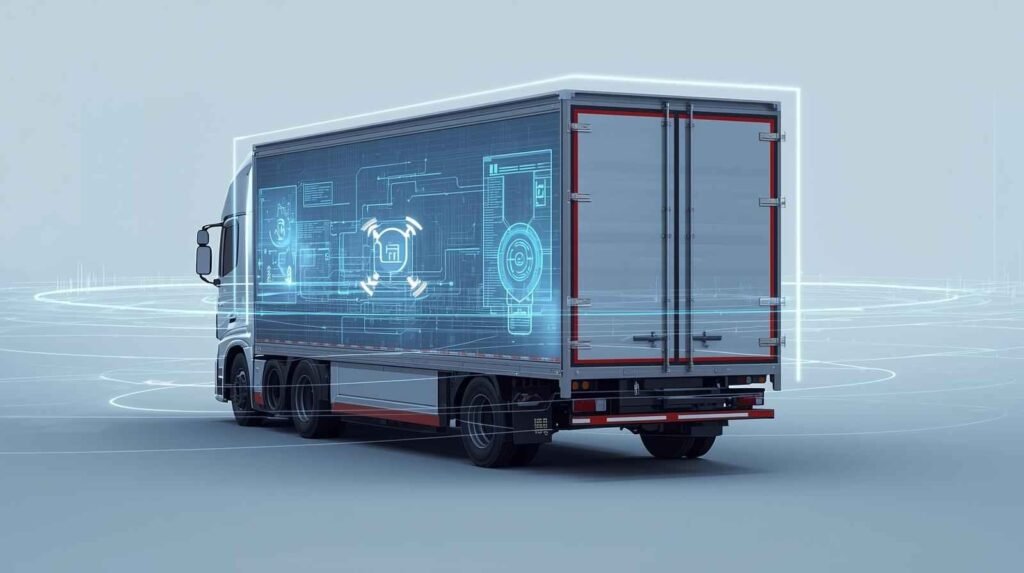
Trailer technology refers to the collection of mechanical systems, electronic components, digital tools, materials, and design innovations used to enhance the performance, safety, efficiency, and reliability of transport trailers.
In simple terms, trailer technology transforms trailers from basic load-carrying platforms into intelligent transport assets.
The main goals of trailer technology include:
- Improving road safety
- Enhancing fuel efficiency
- Reducing maintenance and repair costs
- Protecting cargo from damage or loss
- Increasing fleet visibility and control
- Ensuring compliance with transport regulations
Modern trailer technology integrates physical engineering with digital intelligence. Sensors, control systems, telematics, and automation work together to provide real-time insights and active safety support.
Historical Evolution of Trailer Technology
Traditional Trailer Design
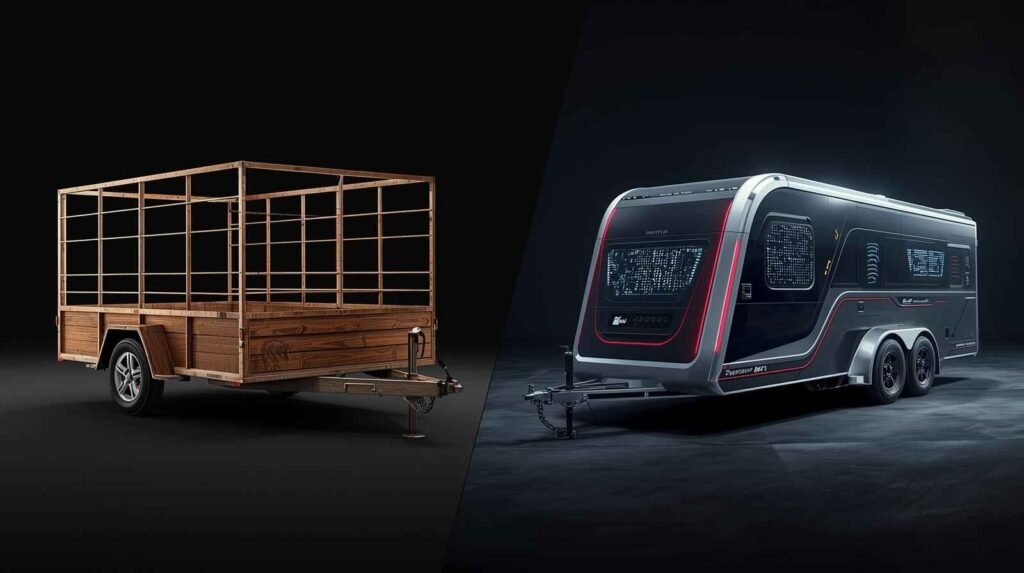
In the early days of commercial transport, trailers were simple mechanical structures. They consisted of heavy steel frames, fixed suspension systems, and basic braking mechanisms. These trailers had no ability to monitor their condition or performance.
Maintenance was reactive. Problems were discovered only after failures occurred. Drivers relied entirely on experience and visual checks. Cargo damage, tire blowouts, and brake failures were common.
Efficiency was limited, and safety risks were high.
The Shift Toward Technological Innovation
As global trade expanded, transport distances increased, and regulations became stricter, traditional trailer designs were no longer sufficient. The industry began adopting new technologies to address safety, efficiency, and reliability challenges.
Major milestones in trailer technology included:
- Introduction of air suspension systems
- Adoption of anti-lock braking systems (ABS)
- Development of electronic braking systems
- Use of lightweight aluminum and composite materials
- Integration of GPS tracking and telematics
These advancements marked the transition from mechanical trailers to intelligent transport systems.
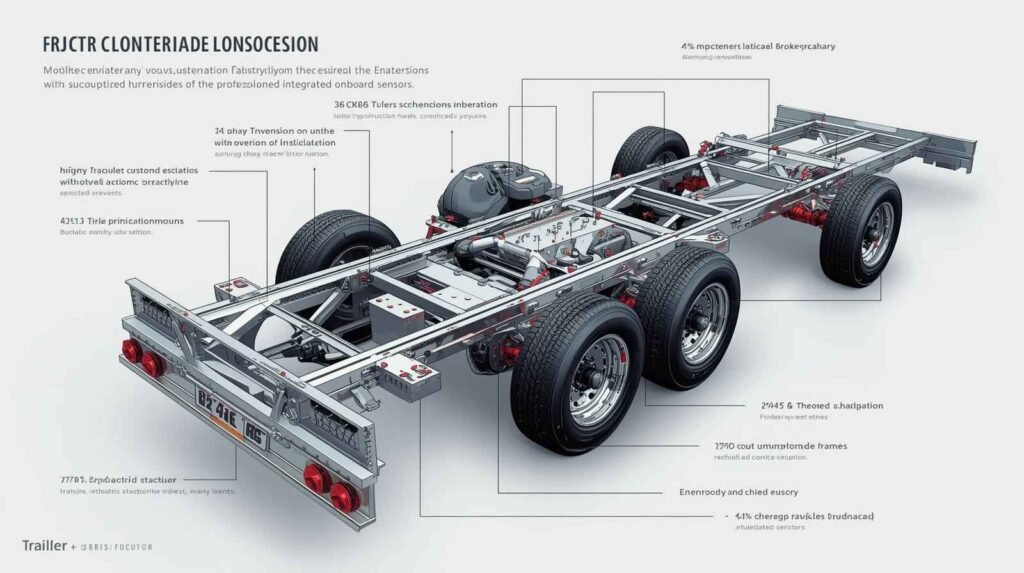
Core Components of Modern Trailer Technology
Trailer Structure and Advanced Materials
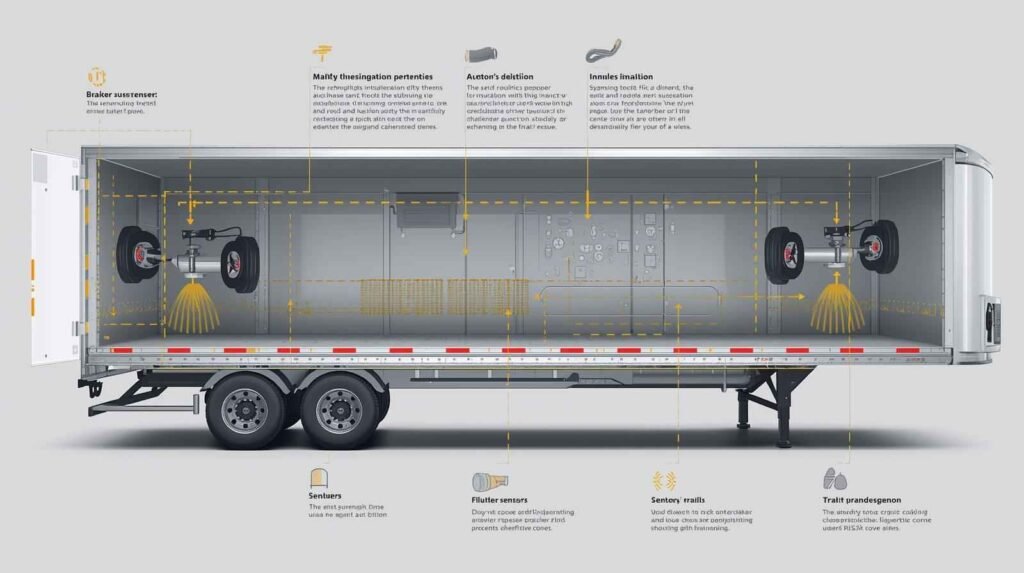
One of the most significant advancements in trailer technology is the use of lightweight yet durable materials. Modern trailers often use aluminum alloys, high-strength steel, and composite materials.
These materials offer several benefits:
- Reduced overall trailer weight
- Increased payload capacity
- Improved fuel efficiency
- Enhanced resistance to corrosion and wear
Lighter trailers place less strain on the towing vehicle, reducing fuel consumption and mechanical stress over long distances.
Suspension and Load Management Systems
Air suspension systems are now standard in many modern trailers. Unlike traditional rigid suspension, air suspension automatically adjusts based on load weight and road conditions.
Key advantages include:
- Improved ride stability
- Reduced cargo damage
- Lower tire and axle wear
- Better braking performance
Proper load distribution also improves vehicle control and reduces rollover risk, especially when carrying uneven or heavy loads.
Advanced Braking and Stability Systems
Modern trailer braking technology has dramatically improved road safety. Systems such as ABS, electronic braking systems, and stability control continuously monitor wheel behavior and vehicle movement.
These systems help:
- Prevent wheel lock during emergency braking
- Reduce stopping distances
- Minimize jackknifing
- Control trailer sway and rollovers
In critical situations, electronic systems can react faster than human drivers, significantly reducing accident severity.
Tire Pressure and Condition Monitoring
Tire pressure monitoring systems (TPMS) provide real-time data on tire pressure and temperature. Tire issues are one of the leading causes of trailer breakdowns and accidents.
Maintaining proper tire pressure:
- Improves fuel efficiency
- Reduces blowout risk
- Extends tire lifespan
- Enhances vehicle stability
Early detection of tire issues allows maintenance teams to act before failures occur.
Telematics and Smart Connectivity
Telematics is the digital backbone of modern trailer technology. It connects trailers to fleet management systems through GPS, cellular networks, and cloud platforms.
Telematics allows operators to:
- Track trailer location in real time
- Monitor usage patterns and idle time
- Receive alerts for maintenance issues
- Improve route planning
- Reduce theft and unauthorized use
With accurate data, fleet managers can make informed, proactive decisions rather than relying on estimates.
Safety Benefits of Trailer Technology
Accident Prevention and Active Safety
One of the strongest arguments for trailer technology is its impact on safety. Modern trailers actively assist in preventing accidents rather than simply reacting after they occur.
Safety technologies include:
- Stability control systems
- Brake wear monitoring
- Load imbalance detection
- Visibility and lighting enhancements
These systems reduce accident frequency, severity, and associated costs.
Compliance and Risk Management
Transport regulations continue to evolve, with increasing emphasis on safety and environmental responsibility. Many trailer technologies help fleets comply with legal requirements.
Benefits include:
- Reduced fines and penalties
- Lower insurance premiums
- Improved safety records
- Enhanced brand reputation
Compliance is no longer just a legal obligation, it’s a competitive advantage.
Fuel Efficiency and Environmental Impact
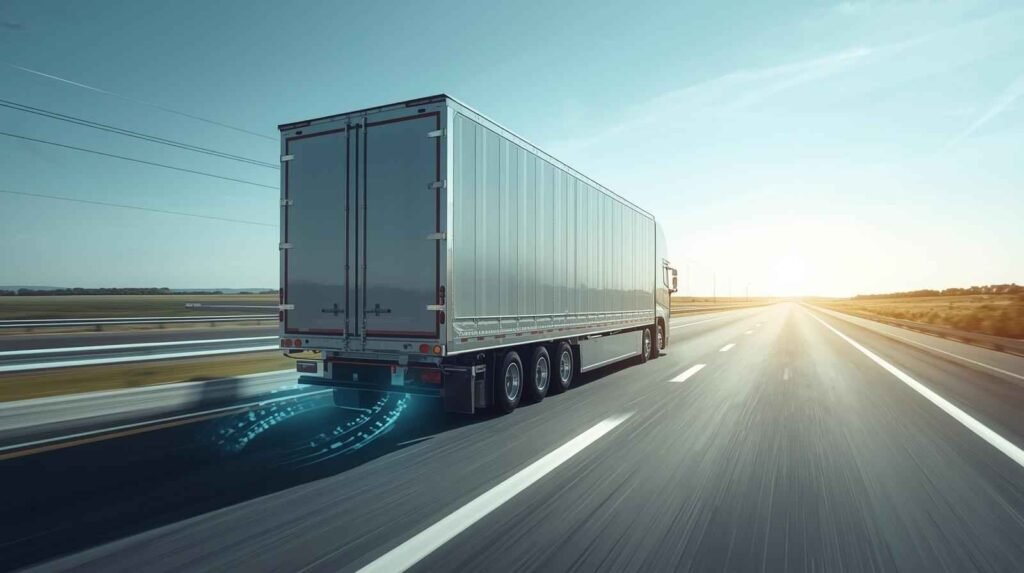
Aerodynamic Trailer Design
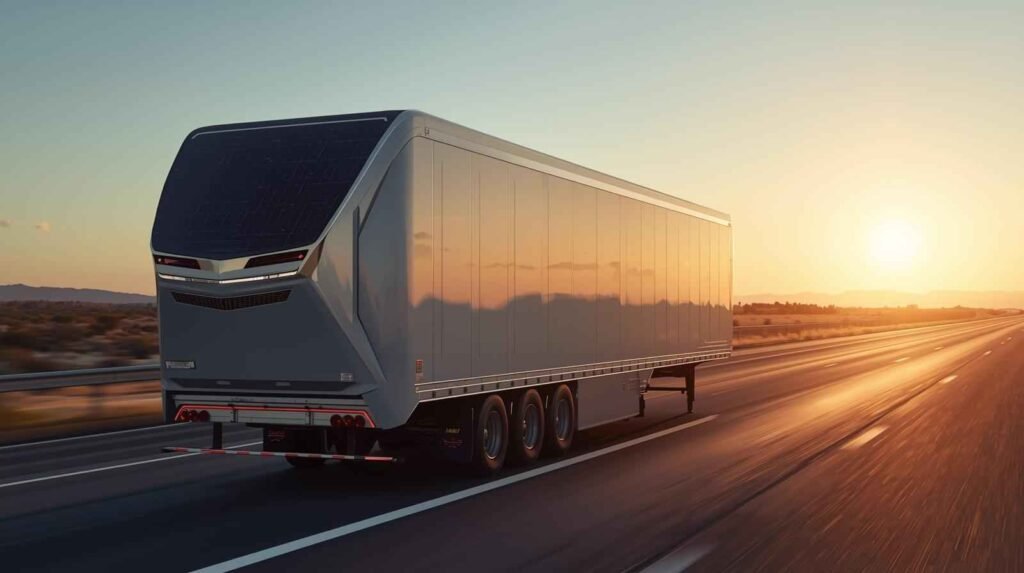
Aerodynamic improvements play a major role in reducing fuel consumption. Features such as side skirts, rear fairings, and optimized trailer shapes reduce air resistance.
Over long distances, these improvements lead to:
- Lower fuel costs
- Reduced emissions
- Improved overall efficiency
Even small aerodynamic gains can translate into significant savings across large fleets.
Lightweight Construction and Fuel Savings
Reducing trailer weight directly reduces the amount of energy required to move cargo. Lightweight trailers improve mileage and reduce engine strain.
This leads to:
- Lower fuel consumption
- Reduced maintenance costs
- Extended vehicle lifespan
Environmental Sustainability
Trailer technology supports sustainable transport goals by minimizing waste, emissions, and energy use. With increasing environmental regulations, sustainability is becoming a necessity rather than an option.

Industry Applications of Trailer Technology
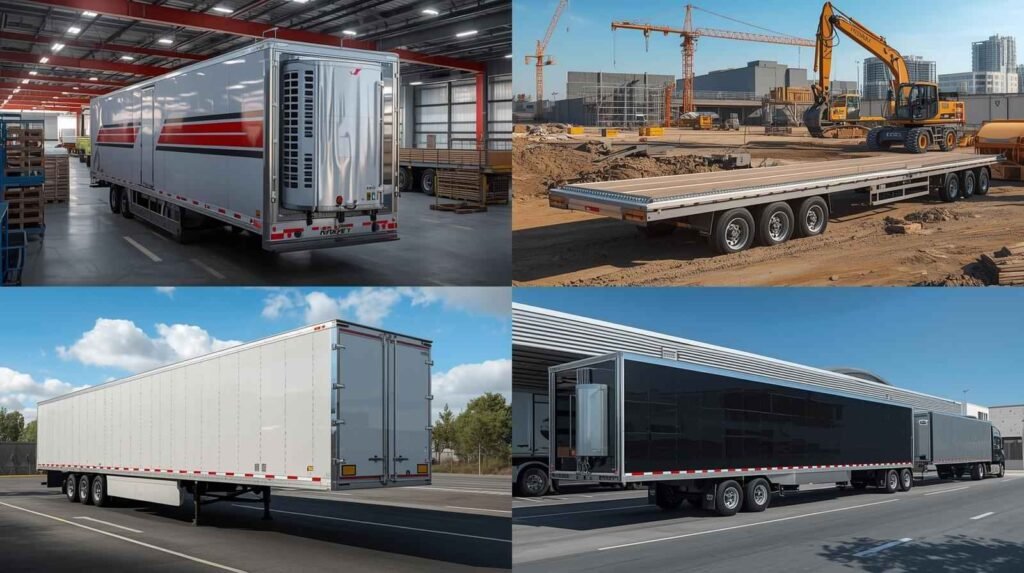
Logistics and Freight Transport
In logistics, trailer technology improves delivery accuracy, reduces delays, and enhances asset utilization. Smart trailers enable real-time tracking and performance monitoring.
Food and Cold-Chain Transport
Temperature-controlled trailers rely on advanced refrigeration technology and sensors to maintain strict temperature ranges. Alerts notify operators of any deviation, preventing spoilage.
Construction and Heavy Equipment Transport
Construction trailers prioritize durability, reinforced frames, and load stability. Trailer technology ensures safe transport of heavy machinery and materials.
Automotive Transport
Vehicle carriers use precision loading systems, secure locking mechanisms, and monitoring tools to prevent damage during transit.
Pharmaceutical and Medical Transport
Pharmaceutical transport requires extreme precision. Trailer technology ensures consistent temperature control and compliance with strict regulations.
Trailer Technology in Fleet Management
Predictive Maintenance Strategies
Sensors detect early signs of wear, allowing maintenance to be scheduled before failures occur. This reduces downtime and repair costs.
Asset Utilization and Cost Efficiency
Fleet managers gain insight into how often trailers are used, where inefficiencies exist, and how assets can be optimized.
Data-Driven Operational Decisions
Accurate data supports better planning, budgeting, and performance evaluation. Operations become proactive rather than reactive.
Challenges in Adopting Trailer Technology
Initial Investment and Budget Constraints
Advanced trailer systems require upfront investment, which may concern smaller operators. However, long-term savings typically justify the cost.
Integration and Technical Compatibility
Technology must integrate seamlessly with existing systems. Poor integration reduces effectiveness and adoption.
Training and Change Management
Drivers and maintenance staff must understand and trust the technology. Training is essential for successful implementation.
Common Misconceptions About Trailer Technology
“Trailer Technology Is Only for Large Fleets”
Small fleets often benefit even more because efficiency gains have a direct impact on profitability.
“Trailer Technology Replaces Human Drivers”
Technology supports drivers by reducing risk and workload. It does not replace human judgment.
“Trailer Technology Is Too Complicated”
Modern systems are designed to be intuitive and user-friendly when properly implemented.

How to Choose the Right Trailer Technology
Assess Your Operational Needs
Identify whether safety, fuel efficiency, maintenance, or cargo protection is your priority.
Ensure Compatibility and Scalability
Choose systems that integrate with existing tools and can grow with your business.
Evaluate Vendor Reliability
Long-term support, updates, and training are critical for sustained success.
Future Trends in Trailer Technology
Automation and Intelligent Systems
Self-parking trailers, automated coupling, and assisted maneuvering are becoming more common.
Artificial Intelligence and Predictive Analytics
AI will play a larger role in predicting failures, inefficiencies, and risks before they occur.
Sustainable Trailer Innovations
Electric refrigeration units, recyclable materials, and energy-efficient designs will dominate future development.
Frequently Asked Questions About Trailer Technology
What is trailer technology used for?
It improves safety, efficiency, cargo protection, and fleet visibility.
Is trailer technology expensive?
Initial costs exist, but long-term savings usually outweigh them.
Can small fleets benefit from trailer technology?
Yes, many solutions are scalable and cost-effective.
Does trailer technology improve safety?
Yes, advanced braking, monitoring, and stability systems significantly reduce risks.
Is trailer technology mandatory?
Some features are required in many regions to meet safety regulations.
Conclusion
Trailer technology has evolved into an essential component of modern transport systems. It improves safety, reduces operating costs, supports sustainability, and enhances fleet control. Today’s trailers are intelligent assets, not passive equipment.
Businesses that invest in modern trailer technology gain efficiency, reliability, and long-term competitiveness. Those that delay adoption risk falling behind in an increasingly data-driven transport industry.
In modern logistics, smart trailers are no longer optional. They define the standard.